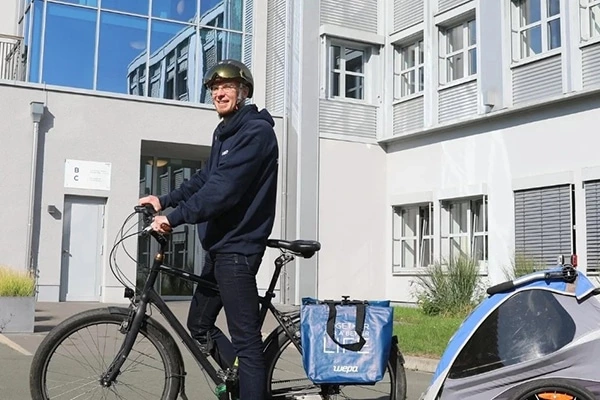
Whether it’s recycling waste paper or switching from a car to a bike for the commute to work: environmental protection and sustainability are part of our everyday lives. When it comes to toilet paper, however, very few people think about the bigger picture. The main thing is that the paper is soft, tear-resistant and, ideally, never runs out.
If you get exactly that and do something good for the environment at the same time – then WEPA is probably behind it. Because that is our aim and goal: to produce hygiene papers that make people’s everyday lives easier and are better for the planet at the same time.
A small step in everyday life: toilet paper that protects the environment
To achieve this, we are focusing on a key factor in the production of hygiene paper: the fibres from which it is made. A large proportion of toilet paper worldwide is still produced from virgin fibres – and thus from wood that is specifically cultivated and processed for this purpose. But WEPA aims to be a pioneer in sustainability, for example when it comes to recycled fibres: paper or cardboard that has already been used is processed and given a new lease of life as hygiene paper.
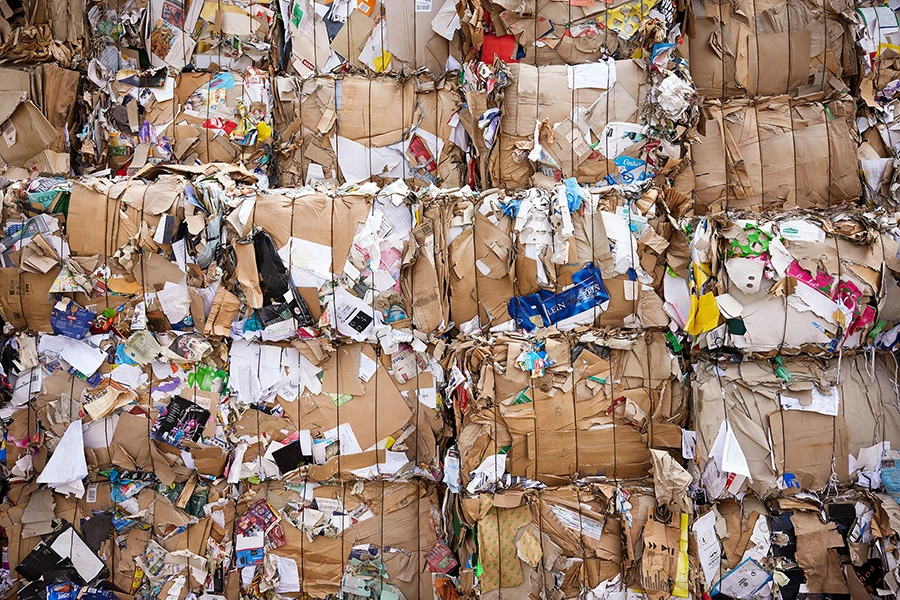
The choice of fibre makes all the difference
Because WEPA has set itself a target: by 2030, 60% of the fibres used in hygiene paper are to come from recycled or alternative sources. That means: fewer forests, more circular economy – and a brighter future for the planet and its habitats. At the same time, we are working to reduce the environmental footprint of our fibre portfolio by 25%. Water consumption, energy, land use and emissions – all of these will be cut by a quarter. This will be made possible by new technologies, a consistent circular economy and strong partnerships throughout the entire supply chain. Our goal: to make the circular economy the norm and to show that recycling and innovation go hand in hand. Every step forward counts – for consumers, for the environment, and for future generations.
Choosing products made from recycled or alternative fibres makes a difference. It’s not spectacular, but it’s effective, and it proves that sustainability doesn’t have to be complicated: sometimes it’s simply found in a roll of WEPA toilet paper.